
Solar Panel Price for Home in India – Complete Cost, Subsidy & Savings Guide (2026)
Check the latest solar panel price for home in India, including cost per kW, government subsidy details, installation charges, and long-term electricity savings guide for homeowners.
Installing a rooftop solar system has become one of the smartest long-term investments for homeowners in India. With rising electricity tariffs and increasing government support, residential solar adoption is growing rapidly. Understanding the solar panel price for home in India, system sizes, installation costs, and subsidies helps you plan the right solar investment.
Average Solar Panel Price for Home in India
The total cost of a residential solar system depends mainly
on system capacity (kW), panel quality, inverter type, installation complexity,
and subsidy eligibility. On average, the solar system price in India
ranges between ₹45,000 to ₹65,000 per kW before subsidy.
Approximate Rooftop Solar System Cost
- 1
kW solar system: ₹45,000 – ₹65,000
- 2
kW solar system: ₹90,000 – ₹1.30 lakh
- 3
kW solar system: ₹1.35 lakh – ₹1.95 lakh
- 5
kW solar system: ₹2.25 lakh – ₹3.25 lakh
- 10
kW solar system: ₹4.5 lakh – ₹6.5 lakh
After applying government
subsidies, the final residential solar installation cost can reduce
significantly.
Government Solar Subsidy in India
Under the rooftop
solar scheme, homeowners installing on-grid solar systems can
receive government financial assistance. Subsidies are typically available for
residential users and vary based on system capacity.
Typical subsidy structure:
- Up
to 3 kW: Around 40% subsidy
- 3
kW to 10 kW: Around 20% subsidy
- Above
10 kW: Usually no residential subsidy
Because of this support, many households recover their solar
investment within 3–5 years, making solar energy highly cost-effective.
Installation Cost and Additional Components
The total solar installation price for home includes
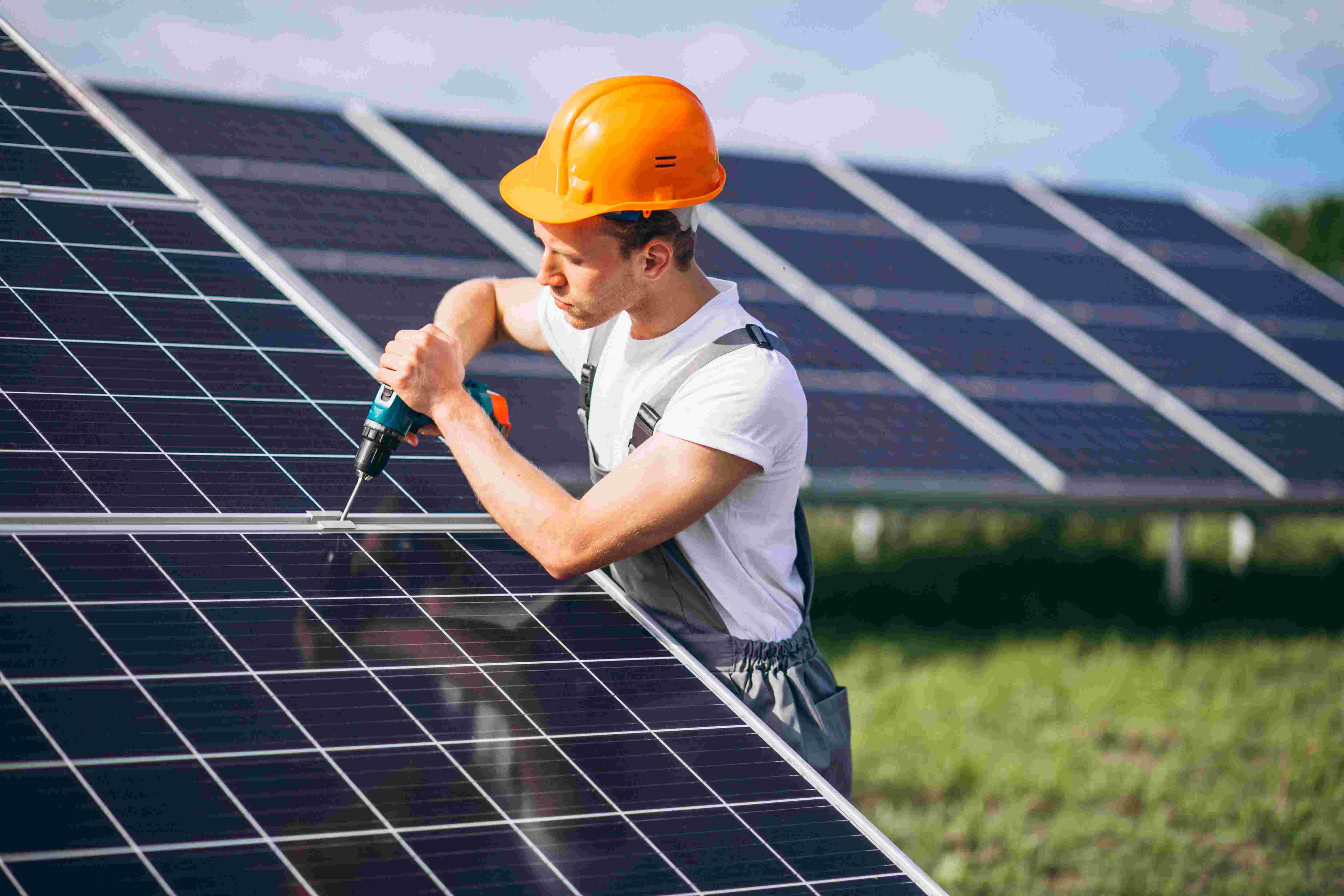
more than just solar panels. A standard residential solar setup includes:
- Solar
panels (mono PERC / bifacial modules)
- Solar
inverter (on-grid or hybrid)
- Mounting
structure
- DC
and AC wiring
- Net
meter installation
- Earthing
and safety systems
- Labor
and installation charges
Installation and balance-of-system components generally
account for 20%–30% of the total system cost. Choosing experienced
installers ensures better performance, safety, and long-term savings.
On-Grid vs Off-Grid Solar System Cost
The price also depends on the type of solar system selected.
On-grid solar systems
- Connected
to the electricity grid
- Lower
cost due to no battery requirement
- Eligible
for subsidy
- Ideal
for urban homes with stable electricity supply
Off-grid solar systems
- Include
battery storage
- Higher
initial investment
- Suitable
for remote areas or frequent power cuts
Most urban residential installations in India prefer on-grid
rooftop solar systems due to lower installation cost and faster ROI.
Electricity Savings and Return on Investment
A well-designed residential solar system can reduce monthly
electricity bills by 70% to 90%, depending on system size and
consumption patterns. For example:
- A 3
kW rooftop solar system can generate around 12–15 units per day,
suitable for small to mid-sized households.
- A 5
kW system can generate 20–25 units daily, enough for medium to
large families.
With current electricity rates rising every year, solar
energy helps homeowners lock their energy cost for the next 20–25 years,
delivering long-term financial savings.
Factors Affecting Solar Panel Price
Several factors influence the final home solar panel cost
in India:
- Panel
technology (mono PERC, bifacial, TOPCon)
- Brand
quality and efficiency
- Roof
type and installation complexity
- Inverter
type (string, micro, hybrid)
- Location
and installer charges
- Government
subsidy eligibility
Choosing higher-efficiency panels may slightly increase
initial cost but improves long-term power generation and returns.
Is Installing Solar Panels Worth It?
Considering electricity price inflation, government subsidy
benefits, and 25-year panel lifespan, rooftop solar installation has become one
of the most profitable home upgrades in India. Most homeowners achieve full cost
recovery within a few years and enjoy decades of nearly free electricity.
Conclusion
The solar panel price for home in India depends on
system capacity, installation requirements, and subsidy availability, but
residential systems are now more affordable than ever. By selecting the right
system size and certified installer, homeowners can significantly reduce
electricity expenses while contributing to clean and sustainable energy
adoption.
Also Read
Solar Panel Installation Guide for Solar Companies: Best Practices & Expert Tips
SambhavPro Team
SambhavPro Team