
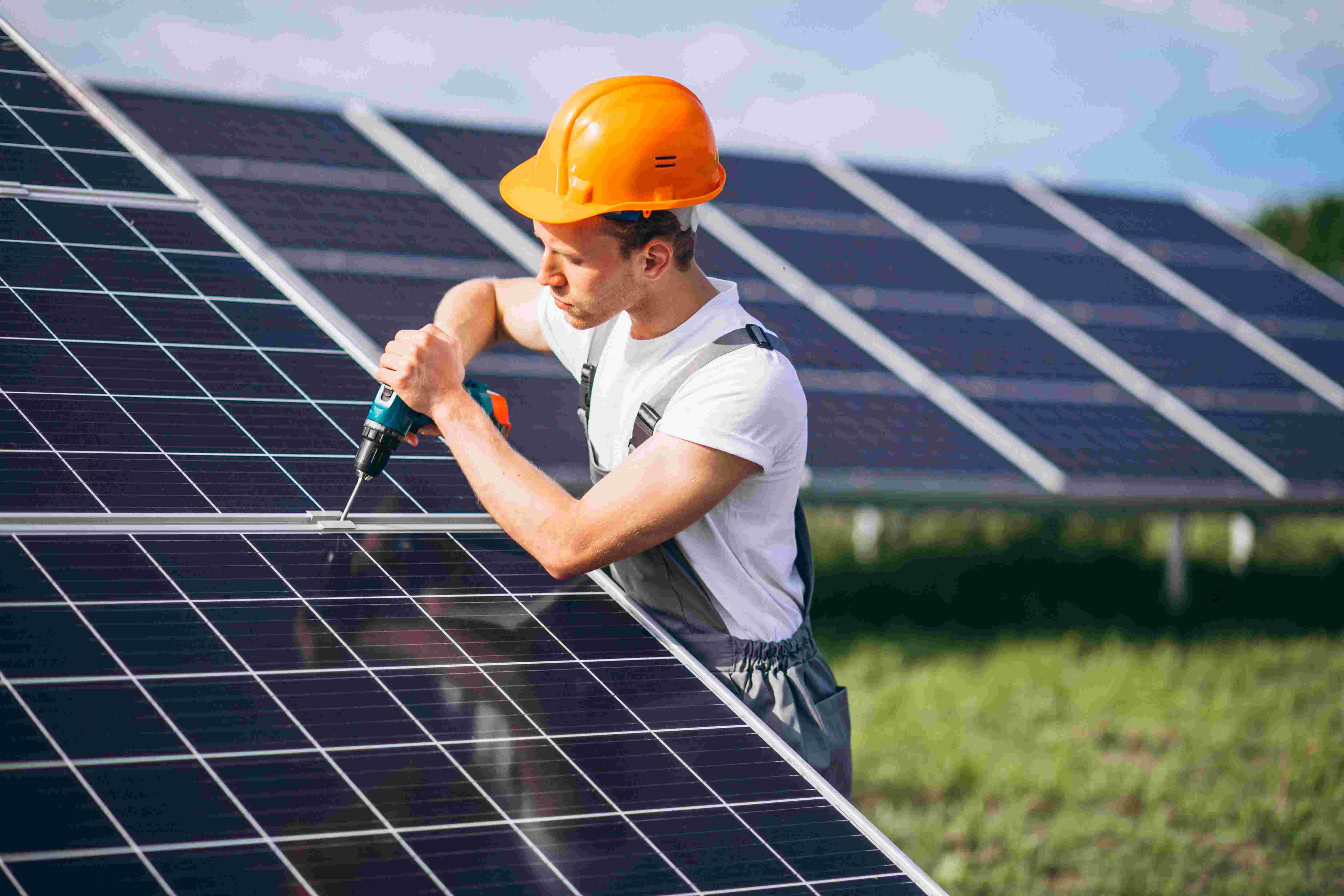
Solar Panel Installation Guide for Solar Companies: Best Practices & Expert Tips
A practical solar panel installation guide for solar companies in India covering site assessment, structural checks, mounting types, wiring compliance, and net metering, so every project ships clean and client-ready.
If you run a solar company in India, you already know that winning the client is only half the job. The real reputation-builder happens on the roof, during the actual solar panel installation. A clean, code-compliant, well-planned installation is what turns a one-time customer into a referral machine. A rushed one is what gets you an angry call six months later about a leaking roof or an inverter that keeps tripping.
This guide breaks down what solar panel installation companies in India should focus on, whether the job is a small rooftop home system or a large commercial rooftop plant.
Start With a Proper Site Assessment
Every good solar panel installation begins before anyone touches a panel. Send a technician to physically inspect the site rather than relying only on satellite images or a phone call. Check the roof type — RCC, tiled, or metal sheet — and note any shading from water tanks, trees, or neighbouring buildings that could quietly eat into generation. In India, panels generally perform best facing true south, with a tilt roughly matching the site's latitude, so this is the point to confirm orientation and get client sign-off before ordering equipment.
Evaluate Roof and Structural Strength
This is where many otherwise good solar panel installation jobs go wrong. A standard rooftop system adds a meaningful extra load per square metre, and older buildings or asbestos roofs may need reinforcement or a straight refusal. Get a structural check done, especially for commercial buildings where the array is larger and the roof has to carry racking, cabling, and walkway loads for years of maintenance visits. Skipping this step is the single biggest cause of comebacks and warranty disputes.
Choose the Right Panel and Mounting Type
Monocrystalline panels with PERC or TOPCon cells are now the default recommendation for most residential and commercial roofs because of their efficiency and heat tolerance in Indian summers. For flat RCC roofs, ballasted mounting with concrete blocks is often preferred since it avoids drilling. For sloped or tiled roofs, panels need to be mechanically fixed with proper flashing to stop water seepage. Whatever the roof type, use galvanised or aluminium mounting structures rated for local wind loads, particularly in coastal and monsoon-heavy regions.
Get the Wiring and Compliance Right
A large part of a professional solar panel installation is invisible once the job is done, but it's what protects the client and your company from liability. Use UV-rated DC cables, proper earthing at the specified resistance, and inverters installed in a well-ventilated, weatherproof spot. Follow CEA technical standards and BIS-certified components throughout, since non-compliant systems simply won't get DISCOM approval. Getting this documentation right the first time saves weeks of back-and-forth later.
Handle Net Metering and Subsidy Paperwork Proactively
Clients rarely understand the approval process, so a good solar company handles it for them. Submit net metering applications with complete documentation to avoid delays, and if the client is eligible, guide them through the PM Surya Ghar subsidy application on the National Rooftop Solar Portal. A DISCOM inspection and bi-directional meter installation usually follow before the system can be formally commissioned, and having this workflow tight is what separates a professional solar panel installation company from a one-man crew.
Plan for Indian Weather Conditions
Monsoon season is unforgiving on rooftop systems. Every solar panel installation in India should account for wind load, proper drainage around mounting structures, and corrosion-resistant hardware, especially near the coast. Recommend a cleaning schedule to clients too — dust and bird droppings build up fast and quietly reduce output if panels aren't washed periodically.
Residential vs Commercial Installations
A home solar panel installation is usually a smaller, faster job, often completed within a few days once approvals are in place. Commercial and industrial projects are a different scale entirely, involving higher loads, more complex electrical design, and longer timelines. Either way, single-point EPC responsibility, from design to commissioning, reduces the coordination headaches that come with juggling multiple vendors.
Don't Skip After-Sales Support
The best solar panel installation companies treat commissioning as the start of the relationship, not the end. Offer annual inspection visits, monitor inverter performance remotely where possible, and make warranty terms easy for the client to understand. This is often what generates repeat business and referrals in a market where word of mouth still drives most solar leads.
Final Word
Getting a solar panel installation right isn't complicated once you have a repeatable process: proper site assessment, structural checks, compliant wiring, and honest after-sales support. Solar companies that treat every one of these steps seriously build the kind of reputation that keeps the phone ringing. For more on installation standards and net metering requirements, you can refer to Tata Power's guide on the solar installation process.
Are you a solar panel company looking for more qualified customers? Sambhav Pro helps solar businesses connect with genuine leads. Check it out at https://sambhavpro.com/.
SambhavPro Team
SambhavPro Team